Retiring to Niagara: The Honest Pros and Cons
July 14, 2026 · Updated August 18, 2026
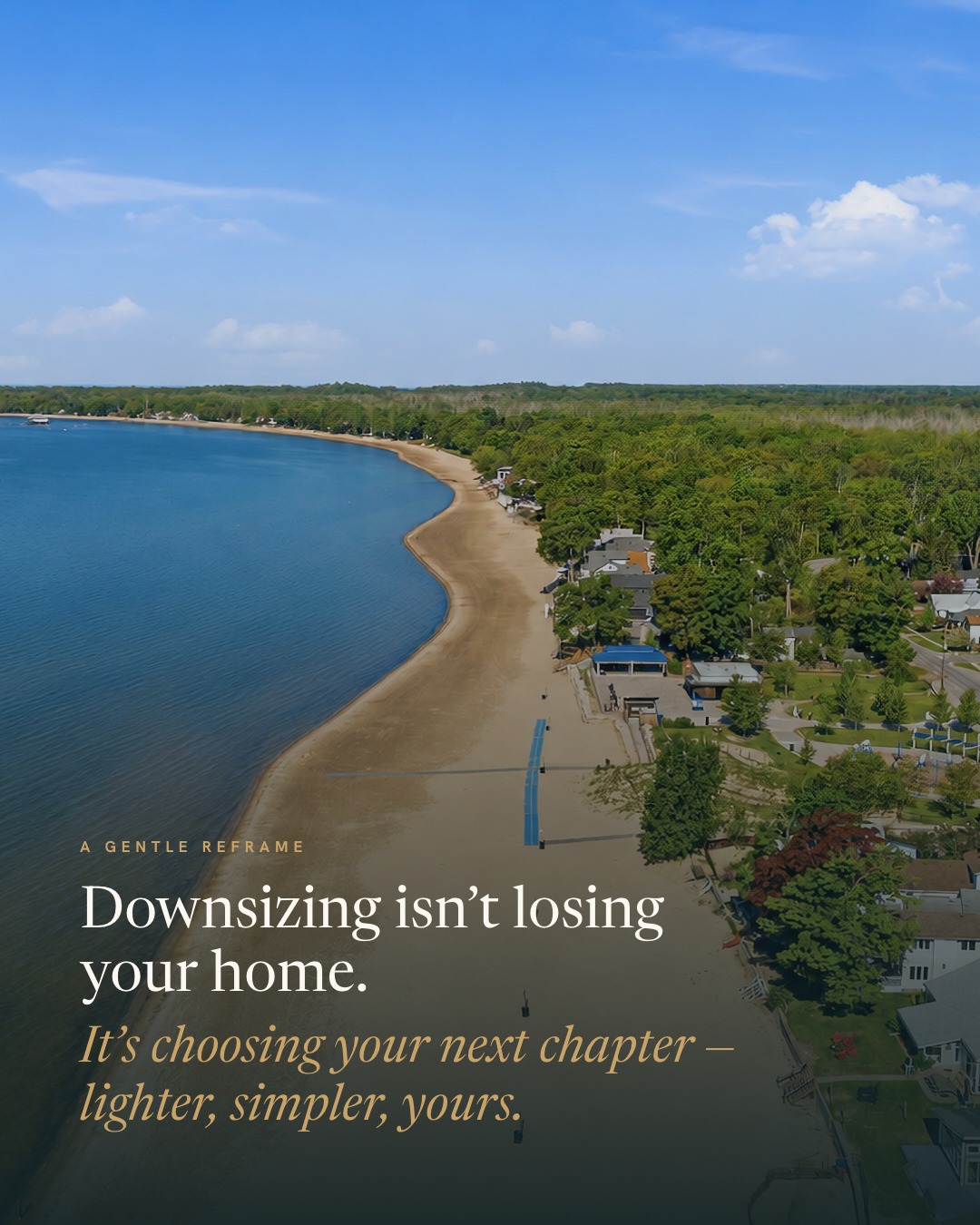
Thinking about retiring to Niagara? Here's the honest local version — the real pros and cons, from housing costs and healthcare to which towns go quiet in winter, and how to choose the community that actually fits your next chapter.
The retirement conversation rarely starts with a spreadsheet. It starts on a Sunday drive back from visiting a friend who already made the move — the two of you quiet in the car, one of you finally saying it out loud: what if we just… lived somewhere like that?
If Niagara is the "somewhere like that" in your head, this post is for you. I sell homes here, so you'd expect me to tell you it's perfect. It isn't. But if you're seriously weighing the pros and cons of retiring to Niagara, you deserve the version locals tell each other — not the tourism brochure.
First, what "Niagara" actually means
People hear Niagara and picture the Falls. But the region is a dozen distinct communities, and they retire very differently. Niagara-on-the-Lake is theatre subscriptions and wine-country polish. St. Catharines is the biggest centre, with the most services. The south shore — Fort Erie, Crystal Beach, Ridgeway, Port Colborne — is quieter, more affordable, and built around Lake Erie's beaches. Welland and Fonthill sit in the middle, literally and in price.
Choosing "Niagara" is really choosing one of these. Get that decision right and most of the cons below shrink.
The pros: why people stay
Your money goes further than in the GTA. Selling a home in Toronto, Mississauga or Burlington and buying here usually leaves meaningful equity on the table — the kind that funds the actual retirement, not just the address change. Prices vary a lot by town and by season, so I won't quote numbers that will be stale in a month. But the gap is real, and it's the reason most of my retiring clients call in the first place.
The pace is the point. Farm stands. Beach walks in November when you have the sand to yourself. A wine region in your backyard that tourists fly in for. Retirement here feels like retirement, not like commuting without the job.
You're not actually remote. Niagara sits roughly an hour and a half from Toronto by car, with year-round GO train service connecting Niagara Falls and St. Catharines to the GTA. Kids and grandkids can visit without it being an expedition. Buffalo's airport is just across the border, which locals quietly use all the time.
Real community, at a human scale. In towns like Ridgeway or Crystal Beach, the coffee shop learns your name. For women I work with who are retiring solo, that matters more than any amenity list.
The cons: what the brochures skip
Healthcare is good, but plan for it. Niagara has hospitals in St. Catharines and Niagara Falls, and a large new hospital has been under construction in south Niagara Falls. But like most of Ontario, finding a family doctor can take time — ask your current doctor about options before you move, not after. If you have a specialist you rely on in Toronto or Hamilton, factor in that drive.
Winters are real, and services are thinner in small towns. The lake moderates the worst of it, but you'll still shovel. In the smallest communities, some restaurants and shops go quiet from January to April. If you thrive on things being open, choose St. Catharines or Niagara Falls over a beach town — or budget for a February trip somewhere warm, like half your new neighbours do.
Tourist season cuts both ways. Summer weekends in Niagara-on-the-Lake and Crystal Beach bring traffic and crowds to places you'll now call home. Locals adapt — you learn which roads to skip in July — but it's an adjustment worth knowing about.
You'll probably still want a car. Transit exists, but this is not a walk-to-everything region outside a few town cores. If driving less is part of your retirement picture, that narrows your list of towns considerably — it's one of the first questions I ask.
The real question isn't "is Niagara good?"
It's which Niagara is yours. A retirement built around theatre and dinners out looks like Niagara-on-the-Lake or downtown St. Catharines. One built around morning swims and a smaller footprint looks like Crystal Beach or Ridgeway. One built around being near a hospital, a mall and a highway looks different again.
This is the same thinking I walk through with every client planning a second act — start with the life, then find the address. If you're coming from the GTA, I've also written about what that move really feels like, and about right-sizing into a home that fits the next chapter instead of the last one.
About Karen Roy
Karen Roy is a REALTOR® with RE/MAX Escarpment Realty Inc., Brokerage, working across the Niagara region. Through Her Next Chapter, she works with women 50 and over who are buying or selling during a major life transition — divorce, widowhood, retirement, or the last child leaving home. Inman featured her work in 2025. She is the author of I'm Not Crazy, You're Not Crazy: It's Menopause. She lives in Niagara.
Frequently asked
What are the pros and cons of retiring to Niagara?
The pros: lower housing costs than the GTA, a slower pace, wine country and beaches, and proximity to Toronto and Buffalo. The cons: family doctors can be hard to find (as in much of Ontario), small towns get quiet in winter, tourist-season crowds, and you'll likely still need a car.
Is Niagara a good place to retire on a budget?
Generally, yes — especially the south shore towns like Fort Erie, Port Colborne and Welland, which tend to be more affordable than Niagara-on-the-Lake or Fonthill. The right town depends on how you balance price against services nearby.
Which Niagara town is best for retirees?
There's no single answer. Niagara-on-the-Lake suits people who want polish and culture; St. Catharines offers the most services and healthcare; Crystal Beach and Ridgeway suit beach-town living at a gentler price. Match the town to your week, not the other way around.
Do I need a car if I retire to Niagara?
In most of the region, yes. A few walkable town cores exist, but shops, medical appointments and visiting friends across the region usually mean driving.